
Commercial Landscaping Scope Checklist for Melbourne Properties
Most commercial landscaping enquiries we receive are one or two lines long: "turf for a childcare centre", "garden beds at the front of the office", "ongoing maintenance for a block of units". That is a fine start, but it is not enough to price from, so the first site visit ends up being spent working out the basics.
Most commercial landscaping enquiries we receive are one or two lines long: "turf for a childcare centre", "garden beds at the front of the office", "ongoing maintenance for a block of units". That is a fine start, but it is not enough to price from, so the first site visit ends up being spent working out the basics.
A better brief does not need to solve the job. It needs to tell the contractor where the site is, who makes decisions, what the property is for, how we get in, and when it has to be done. This checklist covers what we need from a business, builder, property manager or owners corporation to come back with a useful quote.
1. The property and the people
- The business or organisation name, and the site address if it differs from the billing address.
- What the property is: office, retail, childcare, school, medical, units, industrial, a display home or a new estate.
- The main contact and their role, and who signs off on the scope and on any variations.
- A site contact for the days we are on the ground, if that is a different person.
- Anyone else with a say: a property manager, the builder, a body corporate committee or a council.
Working out who approves what before the job starts saves the most common delay on commercial work, which is waiting for an answer.
2. What you need the landscaping to do
Tell us the result, not only the product. "Make the entrance presentable before the tenants move in", "stop the mud being walked into reception", "get the grounds to a standard we can maintain in two hours a fortnight" and "finish the landscaping for handover" all lead to different scopes, even when the materials overlap.
List the services you think you need, but let the site visit test that. Sometimes the turf a client asks for is not the answer because the drainage is.
3. One-off, ongoing or both
Be clear whether this is:
- a one-off construction or improvement job;
- a repair or rectification;
- regular grounds maintenance; or
- a project followed by ongoing care.
For maintenance, tell us how often you expect visits, and any standards the site has to meet, such as reporting to a property manager, keeping fire-access paths clear or presentation before inspections.
4. Sizes and documents
Anything you have helps:
- rough areas or lengths (a lawn of about 400 square metres, 60 metres of garden edge);
- site plans or landscape drawings;
- photos, ideally wide shots with a note on what you want changed;
- a specification, schedule or tender document if one exists;
- any reports, such as a soil or arborist report;
- the required completion or handover date; and
- known underground services and areas we must not disturb.
No drawings is fine. Wide photos and a few paced-out measurements are enough to put a scale on the job for a first conversation.
5. Access and how the site runs
Commercial sites usually stay open while we work. Tell us how vehicles and equipment get in, where we can unload, whether there are lifts or stairs, any security or sign-in procedure, induction requirements and the hours we are allowed on site.
Also worth noting:
- customer, resident or student movement through the work area;
- times when noise is a problem;
- parking restrictions;
- where materials and bins can sit;
- finished surfaces that need protecting; and
- how waste is to be removed.
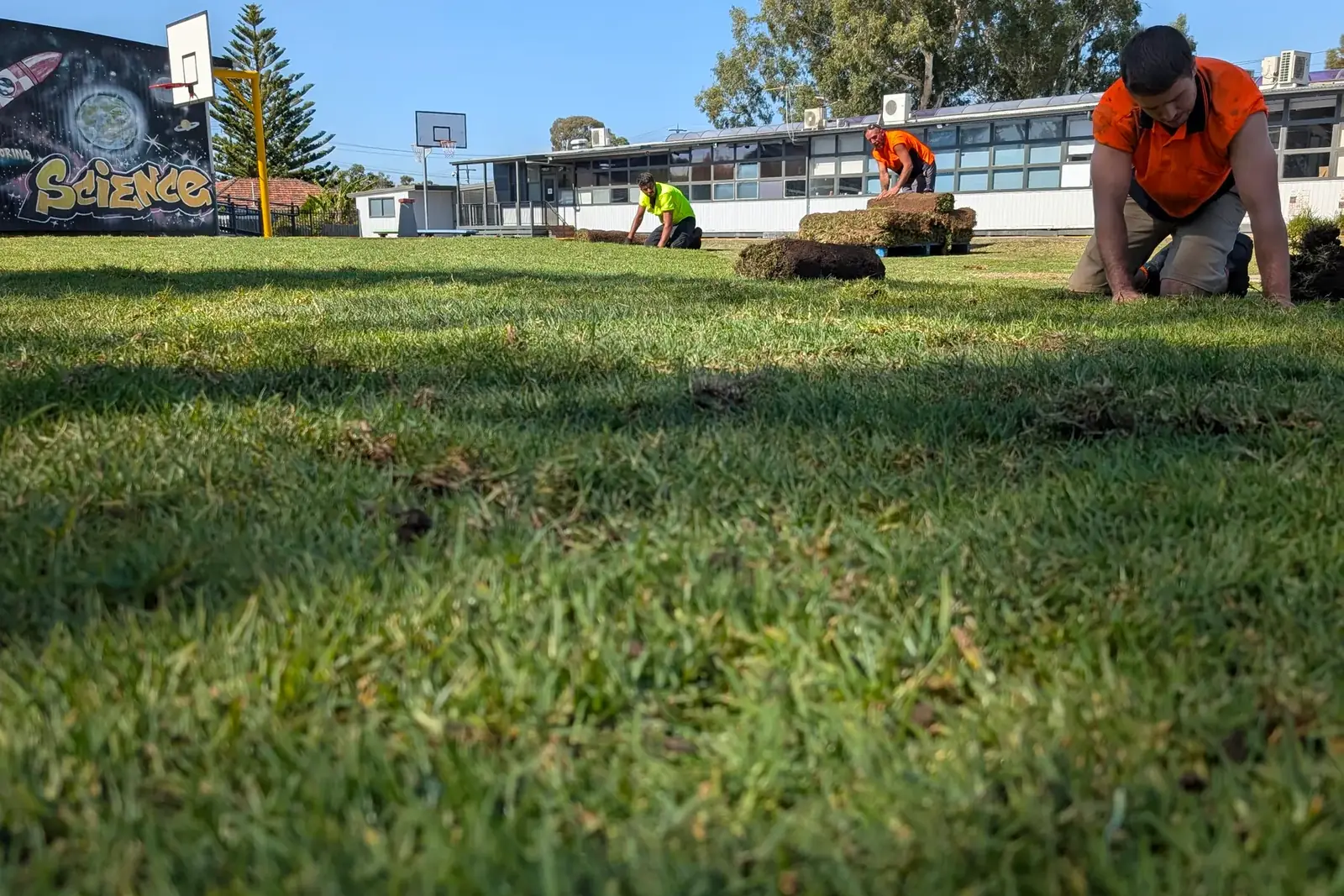
These things change how the work is done even when the landscaping itself is simple. Laying turf on school grounds, for example, is planned around school hours and pick-up times, not around the turf.
6. Safety and compliance
Tell us what your organisation requires of contractors: insurance certificates, licences for particular work, site-specific safety documents, inductions, engineering for retaining walls over a certain height, permits, or coordination with other trades on site.
Every site is different. Sorting this out before the job is awarded means neither side is relying on an assumption on day one.
7. The timeline
Give a realistic target date and say why it matters. If the landscaping has to follow civil works, or has to be finished before an inspection, a lease start or an event, say so. Tell us who will confirm the site is ready for us, and what happens to the date if the work before ours runs late.
Turf and planting are the most sensitive part of the programme. Turf is cut to order and has to go down the day it arrives, and new plants need watering from the day they are in, so a slipping date affects them more than it affects paving or walls.
8. How you want to communicate
Nominate one person and one channel for approvals and questions. On larger jobs, agree how often you want an update and who receives it. Instructions from three different site representatives are the fastest way to end up with variations nobody budgeted for.
9. Aftercare and handover
New turf needs daily watering for about the first three weeks and plants need regular water through their first summer. Decide now who does that: your existing maintenance contractor, your own staff, or us under a care programme. Grounds left to "whoever is around" are the ones we get called back to repair.
At handover, say whether you need care instructions, plant lists, product details, photographs, manufacturer warranties or a proposed maintenance schedule.
Sending the enquiry
The commercial path in our quote form asks for exactly this: the organisation and site, the type of organisation, whether it is a one-off or ongoing, the services needed, the area or dimensions, a scope description, the timeline, and supporting files such as photos, plans or scope documents.
Sebastian reviews each one, arranges the site visit, and comes back with a quote that says whether the work is a one-off project, an ongoing property-maintenance arrangement, or both.
Related reading
Low-Maintenance Landscaping Ideas for Melbourne Homes
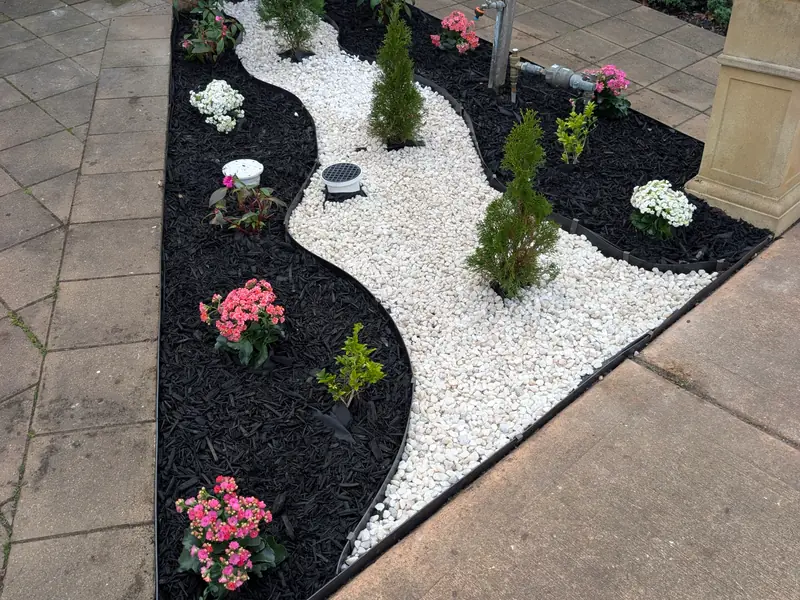
Low maintenance does not mean covering the entire yard in one hard surface. It means designing the garden so routine work is predictable, easy to reach and in proportion to the time you actually want to spend outside.
How to Look After a Newly Landscaped Garden
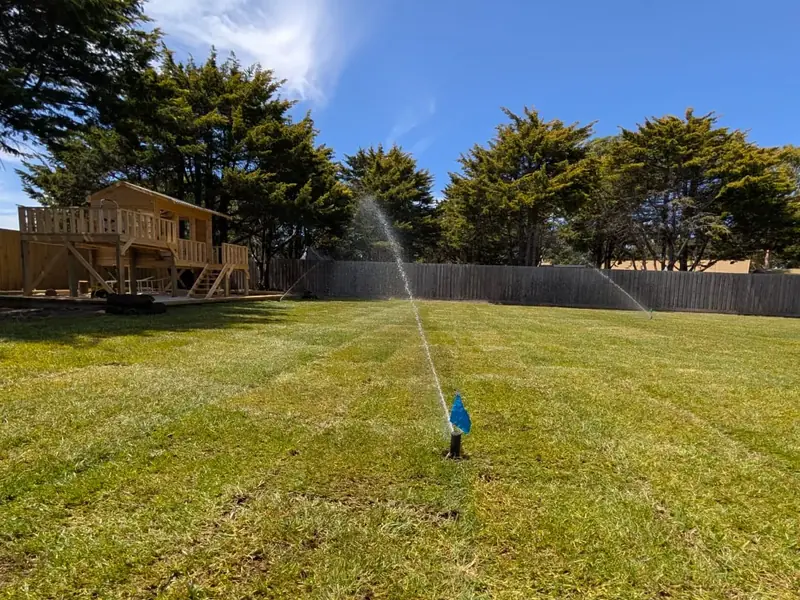
The day we pack up is not the day the garden is finished. Turf takes four to six weeks to root in, plants take a season to settle, mulch sinks, and the irrigation settings we leave you with are a starting point until the weather has had its say.