
Low-Maintenance Landscaping Ideas for Melbourne Homes
Low maintenance does not mean covering the entire yard in one hard surface. It means designing the garden so routine work is predictable, easy to reach and in proportion to the time you actually want to spend outside.
Low maintenance does not mean covering the entire yard in one hard surface. It means designing the garden so routine work is predictable, easy to reach and in proportion to the time you actually want to spend outside.
A good low-maintenance landscape balances durable construction with enough planting and soft surface to still feel like a garden. The right mix depends on sun, water, pets, children, leaf drop and how the property is used.
Reduce awkward maintenance, not necessarily all planting
Narrow lawn strips, inaccessible corners and garden beds with no clear edge often create more work than their size suggests. Simplifying shapes makes mowing, edging and pruning faster.
Use broad, deliberate areas rather than many tiny zones. A defined lawn, a clearly edged garden bed and a practical path are easier to manage than a patchwork of leftover spaces. The same thinking matters even more in a compact yard; our small backyard landscaping ideas show how.
Choose the right lawn strategy
Natural turf gives a living, cooler surface but needs mowing, watering and feeding. Synthetic turf removes mowing and routine watering but still needs cleaning, occasional brushing and attention at the edges.
Some properties benefit from reducing the lawn rather than removing it. Keep turf where it supports play, pets or a sense of openness, then replace awkward sections with planting, paving or gravel that suits the site.
Our natural versus synthetic turf guide explains the maintenance trade-offs in more detail, and our synthetic turf installation page covers what a properly built artificial lawn involves.
Use plants that fit the conditions
The easiest plant is one growing in a suitable position. Sun, shade, soil, drainage, mature size and exposure to wind matter more than how a plant looks in a nursery pot. Heavy clay, common across Melbourne's west and north, holds water in winter and sets hard in summer, so it suits some plants far better than others.
Repeating a smaller number of compatible species creates a calm design and simplifies care. Allow room for mature growth so plants do not crowd paths, windows or each other within a few years.
Layering groundcovers, shrubs and a few feature plants reduces bare soil without filling the garden with unrelated varieties.
Mulch garden beds properly
Mulch helps hold soil moisture, suppresses many weeds and gives beds a finished look. It is not a permanent weed barrier, and it should be kept away from plant stems and building materials rather than piled against them. Top it up as it breaks down; mulching is usually a once-a-year job rather than a constant one.
Organic mulch gradually breaks down and feeds the soil. Decorative stone and pebbles have a different look and maintenance profile: they do not need topping up as often, but they hold leaf litter, can let weeds through without a suitable base, and become hot in exposed spots. Choose the material as part of the garden, not only for colour.
An example from a finished front garden
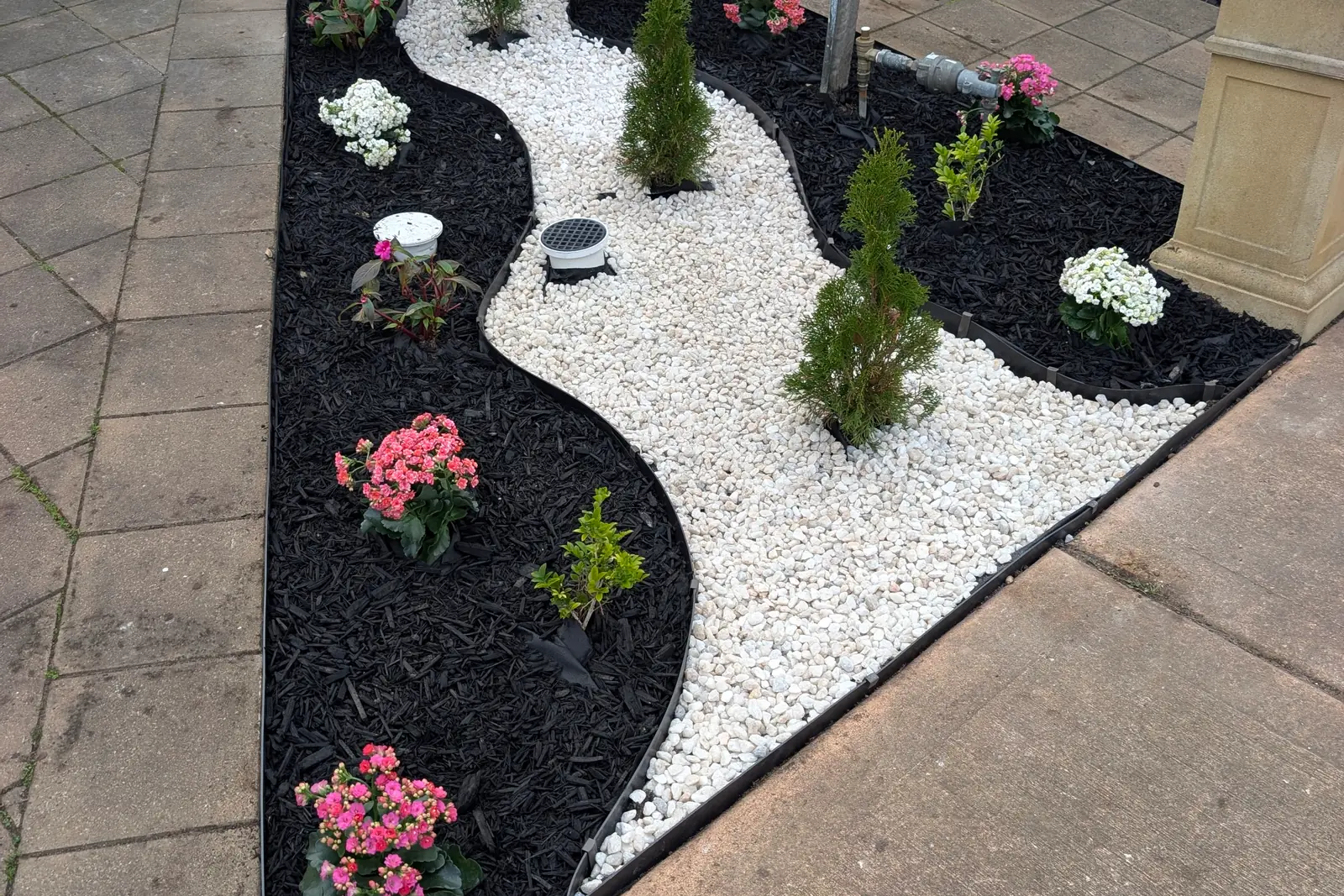
The front garden at the top of this article puts several of these ideas into one small bed. A single band of white pebbles curves through black mulch, black edging holds a clean line against the paving, and the young shrubs and flowering plants are spaced to fill out rather than crowd each other. Nothing in the bed needs mowing, the edges stay crisp, and the ongoing work comes down to weeding, occasional pruning and topping up the mulch.
Make access easy
Paths should lead to places that need regular access: taps, bins, clotheslines, sheds, meters and garden beds. If equipment cannot move easily through the yard, simple tasks become frustrating.
Use stepping stones for light garden access and continuous paving where bins, prams or wheelbarrows move regularly; our guide to pavers versus stepping stones compares the two. Leave enough room to reach plants for pruning without stepping through delicate areas.
Be deliberate with irrigation
Irrigation should match the planting and be checked as the garden develops. A system that waters paving, misses new plants or leaks unnoticed does not reduce maintenance; it hides problems.
Group plants with similar water needs and use drip lines in garden beds where possible. For genuinely hands-off watering, an automatic system with a rain or soil-moisture sensor skips cycles the garden does not need. Under Victoria's permanent water saving rules, automatic systems can run between 6pm and 10am. Make the controller easy to reach and check coverage as the seasons change; irrigation installation and repairs covers both new systems and fixing existing ones.
Keep details simple and durable
Consistent edging, few changes of material and properly prepared surfaces reduce weak points. Complicated curves and many small cuts may look interesting on paper but create more joints, edges and cleaning.
Landscape lighting should be placed for safe movement and atmosphere without a tangle of exposed fittings. Plan access to cables and equipment during construction.
Decide what care you will outsource
A garden can stay attractive with scheduled help for mowing, hedging, weeding or seasonal pruning. Designing with property maintenance in mind can be more realistic than trying to eliminate every living element.
A practical low-maintenance brief
When speaking with a landscaper, explain:
- how much time you want to spend on the garden each month;
- whether you will mow or outsource it;
- pets, children and entertaining needs;
- your preferred planting style;
- access and storage requirements; and
- which current jobs frustrate you most.
Bastiano Landscaping can combine garden design, plants and mulch, turf and hard landscaping into a tailored plan. Send Sebastian photos and describe the maintenance you want to reduce.
Related reading
Small Backyard Landscaping Ideas That Make Better Use of Space
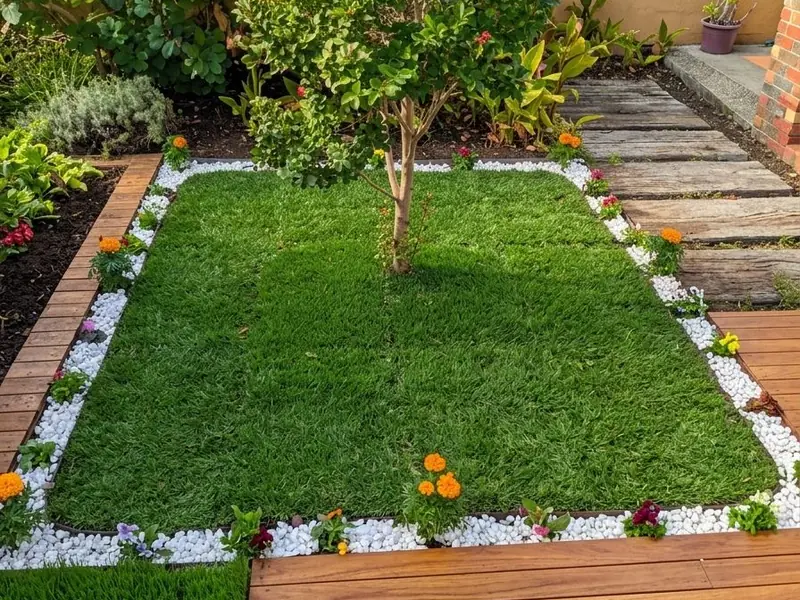
A small backyard does not need miniature versions of every feature found in a large garden. It works better when a few functions are chosen deliberately and the space between them is kept clear.
How to Choose Plants and Mulch for a Melbourne Garden
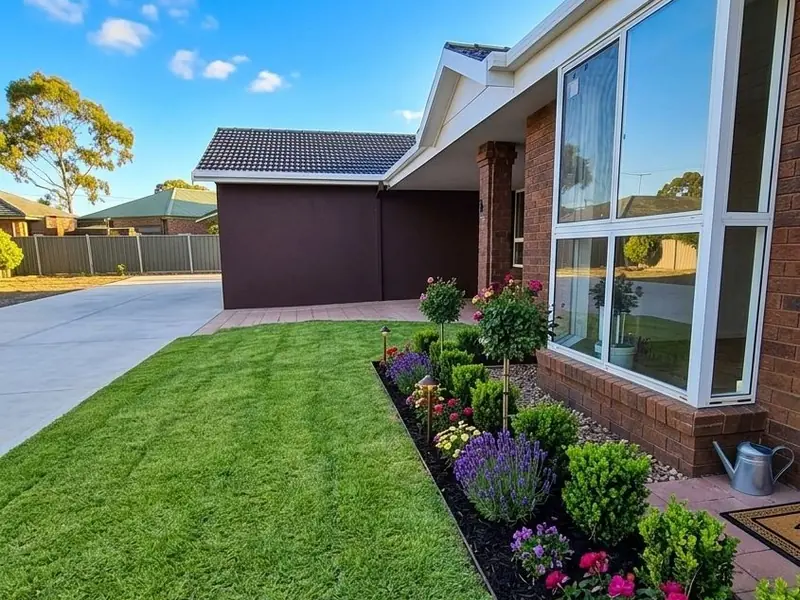
Plants and mulch usually get chosen at the end of a landscaping job, after the walls, paving and turf are in. They deserve more thought than that. Planting decides how much privacy and shade a garden gives, how it looks in winter, and how much work it asks of you every year. Mulch decides whether the beds hold water through a Melbourne summer or bake.
Pavers vs Stepping Stones: Which Is Better for Your Garden Path?
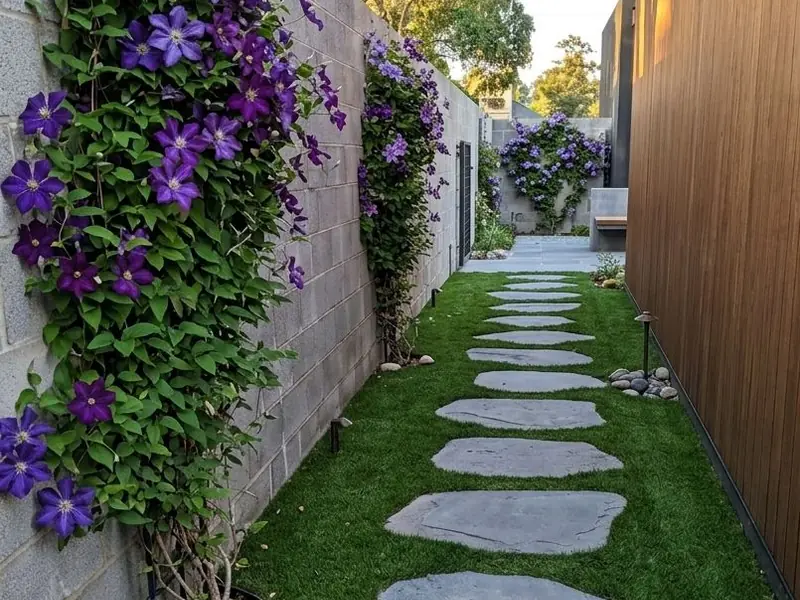
Pavers and stepping stones both give you a clear route through a garden, but they solve different problems. Continuous paving is the better choice where the path is used every day, in all weather, by people carrying things. Spaced stepping stones are the better choice where traffic is lighter and you want the path to sit gently in lawn, gravel or planting rather than cut a hard line through it.