
What Is the Best Time of Year to Lay Turf in Melbourne?
For most Melbourne homes the best windows are spring, from roughly September to November, and early autumn, in March and April. The soil is warm enough for roots to grow, the worst heat is out of the way and rain does some of the watering for you. Turf roots grow best when the soil sits between about 14 and 25 degrees, which is why those two windows keep coming up.
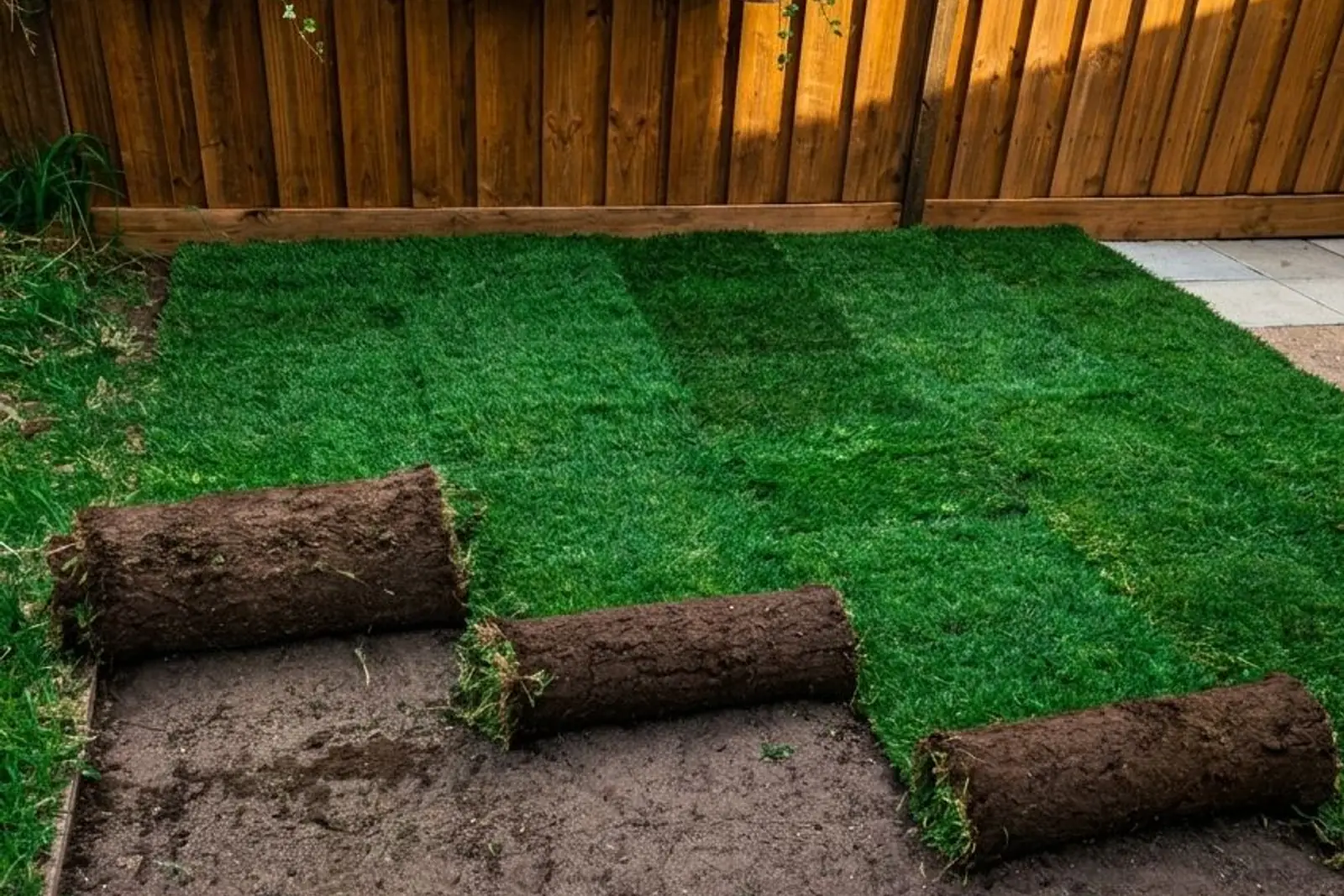
For most Melbourne homes the best windows are spring, from roughly September to November, and early autumn, in March and April. The soil is warm enough for roots to grow, the worst heat is out of the way and rain does some of the watering for you. Turf roots grow best when the soil sits between about 14 and 25 degrees, which is why those two windows keep coming up.
That said, turf is laid in Melbourne in every month of the year. The calendar matters less than three things you control: how well the ground is prepared, whether the new lawn can be watered properly from day one, and whether it can be kept off while it roots. Get those right and a summer or winter lay can still succeed. Get them wrong and even a perfect October day will not save it.
Spring: warm soil, rain and time on your side
Spring gives new turf warming soil and active growth without the stress of high summer. Roots knit into the prepared ground quickly, and the lawn is usually established well before the first hot spell.
It is also the busiest time for landscaping, so plan early. Retaining walls, drainage, irrigation, paving and garden beds should all be finished before the turf goes down, otherwise machinery and foot traffic will damage the one thing that cannot be repaired by sweeping up.
Summer: possible, but the watering has to be relentless
Freshly laid turf dries out fast in hot weather, and Melbourne's hot north-wind days can stress it before the roots have taken. Summer laying works when:
- watering is reliable from the moment the last roll goes down, ideally with an irrigation system or someone home to do it;
- laying starts early in the morning and rolls are laid the day they arrive, not left sitting on the pallet;
- the area can be kept clear of people, pets and wheelbarrows; and
- the watering plan responds to the forecast rather than a fixed schedule.
If the house will be empty straight after installation, or watering cannot be guaranteed, wait for autumn.
Autumn: the quiet second-best
Early autumn is close to spring for establishment. The soil still holds summer warmth, extreme heat is less likely and rainfall often starts to help. Warm-season grasses need to root before growth slows for winter, so the earlier in autumn the better.
Shaded areas stay damp longer as the days shorten, which makes correct levels and drainage especially important on the south side of a house or under trees.
Winter: slow, but not always wrong
Warm-season varieties such as buffalo, couch and kikuyu grow very slowly through a Melbourne winter, so a June lay will sit and wait rather than knit in. Cold, wet soil also makes preparation harder: heavy clay across much of Melbourne's west and north compacts and smears when it is worked wet.
Winter is not a blanket no. Tall fescue is a cool-season grass that keeps growing in the cold, and hardy kikuyu will still establish given time. A common approach is to complete the structural landscaping over winter and schedule the turf for the first suitable window in spring.
Match the variety to the season and the site
The right variety depends on sun, wear and how much water and mowing you are prepared to give. Turf growers treat six hours of direct sun a day as full sun; less than that and the choice narrows.
- Soft-leaf buffalo: shade tolerant with a plush leaf, the family-lawn choice on most Melbourne blocks. Best laid in spring or early autumn.
- Couch: fine-leafed and hard-wearing in full sun, recovers fast from heavy traffic, goes brown and dormant in winter. Wants warm soil to establish.
- Kikuyu: vigorous, quick to repair itself and the hardiest through a cold lay, but it runs, so it needs firm edges away from garden beds.
- Tall fescue: a cool-season grass that holds its colour through winter and copes with shade, so it suits autumn and spring laying. It generally needs more water through a hot summer than the warm-season types.
If you are weighing natural turf against an artificial lawn, read our guide to natural vs synthetic turf in Melbourne. If the existing lawn is only patchy, our article on turf repair versus full replacement may save you the job altogether.
Melbourne's watering rules for new lawns
Victoria's permanent water saving rules apply all year. Manual or automatic watering systems can run between 6pm and 10am on any day, and a hand-held hose fitted with a trigger nozzle can be used at any time. New turf usually needs a light watering during the day as well, so ask your water corporation about a new-lawn exemption before the turf arrives. Yarra Valley Water, for example, allows up to 28 days of extra watering for newly laid warm-season grass, and Greater Western Water handles requests through a water use plan. The exemptions generally cover couch, buffalo and kikuyu only, which is one more reason those varieties suit Melbourne.
Aftercare: the first six weeks decide the lawn
Timing gets the turf off to a good start; the first six weeks of care decide whether it becomes a lawn.
- Water daily for about the first three weeks. Keep the turf and the soil beneath it consistently moist. Lift a corner and check the soil is damp underneath; if it is dry, water for longer. Early morning and late afternoon are the best times.
- Then taper. From week three or four, water less often but for longer, so the roots follow the moisture down instead of staying at the surface.
- Stay off it. Keep foot traffic to a minimum until the turf has rooted firmly. Growers suggest around six weeks, and longer in cool weather. Lay a plank across it if you must cross.
- Mow when it passes the tug test. Gently lift a corner; if it resists, the roots have taken and it is ready for a first cut. That is often 10 to 14 days in warm weather and several weeks in the cold. Vigorous varieties like kikuyu may want a trim inside the first fortnight in summer. Use a sharp blade on a high setting and never remove more than a third of the leaf.
- Feed at about six weeks. A balanced lawn fertiliser once the turf is rooted, then every couple of months through the growing season.
Preparation matters more than the date
Good weather cannot compensate for poor preparation. Before turf is laid, the area may need excavation, removal of unsuitable material, adjustment of levels, improved soil, drainage work and a firm, even surface that sits correctly against paths, edging, drainage points and the house. Turf laid too high, too low or over uneven ground is difficult to fix later.
Two recent jobs show what that looks like in practice. On a front-yard natural turf installation, a stripped, debris-covered garden was cleared, raked and levelled before a single roll arrived; the sprinkler was running the next morning. On a backyard natural turf installation, the ground was levelled first so the turf could be laid in straight, tight runs around the existing play equipment.
How far ahead should you book?
Allow time for more than the turf itself. A straightforward replacement lawn is fairly contained, while a full transformation can involve demolition, access planning, retaining, paving, irrigation changes, garden beds and clean-up. Before fixing a date, consider whether other trades must finish first, how machinery and material will get in and out, turf availability, your ability to water and protect the lawn afterwards, and any event that might create unrealistic pressure.
The practical answer
Aim for spring or early autumn if you can. Lay in summer only with watering locked in, and use winter for the structural work while the turf waits for warmer soil. Whatever the month, the preparation, the variety and the first six weeks of care are what you will be looking at in five years.
Sebastian can assess the area, explain the preparation and schedule the natural turf installation around the wider landscaping work. To get started, send the suburb, approximate size and a few current photos.
Related reading
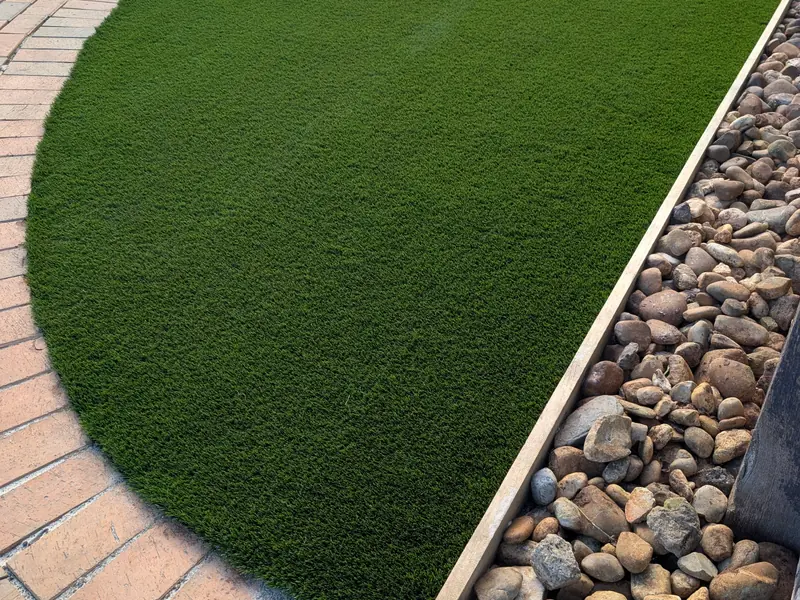
Turf Repair or Full Lawn Replacement: How to Decide
A few bare patches do not always justify replacing an entire lawn. Equally, repeatedly patching a lawn with poor drainage, unsuitable soil or widespread weed problems can spend money without changing the result.
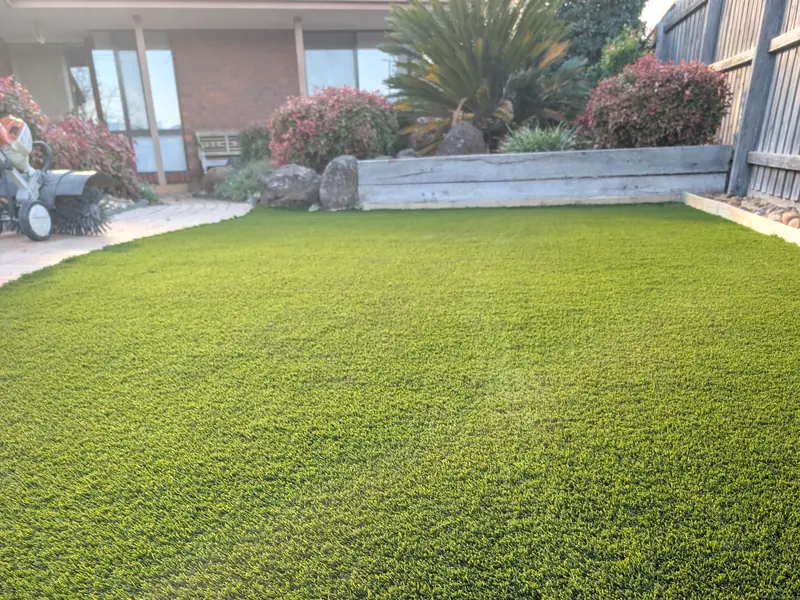
Natural vs Synthetic Turf in Melbourne: Which Is Right for Your Property?
The best lawn is not simply the greenest option in a photograph. It is the one that suits how you use the space, how much maintenance you want to take on, the amount of sun the yard receives and how the site drains.
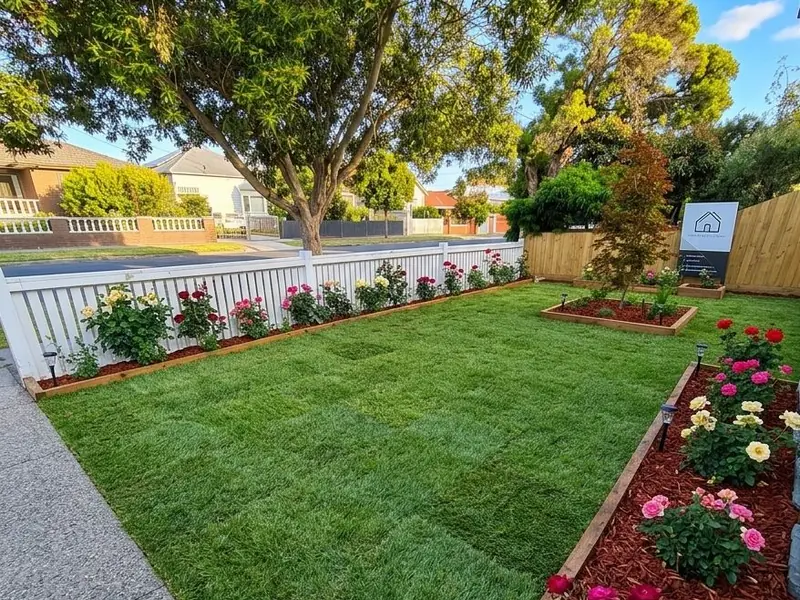
Why New Turf Fails: Soil, Drainage, Installation and Aftercare
New turf creates an immediate transformation, but the green surface is only the visible layer. Whether it becomes a lasting lawn depends on what happened before the first roll went down and on the first four to six weeks afterwards, while the roots establish.