Natural vs Synthetic Turf in Melbourne: Which Is Right for Your Property?
The best lawn is not simply the greenest option in a photograph. It is the one that suits how you use the space, how much maintenance you want to take on, the amount of sun the yard receives and how the site drains.
The best lawn is not simply the greenest option in a photograph. It is the one that suits how you use the space, how much maintenance you want to take on, the amount of sun the yard receives and how the site drains.
For Melbourne properties, both natural and synthetic turf can work well. They create different experiences, however, and each needs proper ground preparation to perform as intended. This guide explains the practical differences so you can narrow down the right choice before asking for a site assessment.
The short answer
Natural turf is usually the better fit when you value the feel and seasonal character of a living lawn and are comfortable with mowing, watering and ongoing care. Synthetic turf is often chosen where owners want a consistently neat surface with less routine maintenance, or where a small, heavily used area is difficult to keep healthy.
Neither option is automatically “maintenance free”. Natural turf needs horticultural care. Synthetic turf still needs cleaning, brushing, weed monitoring around edges and occasional attention to infill and drainage.
Appearance and feel
A healthy natural lawn has variation in colour and texture that is difficult to reproduce. It feels cooler underfoot, changes with the seasons and connects naturally with planted garden beds.
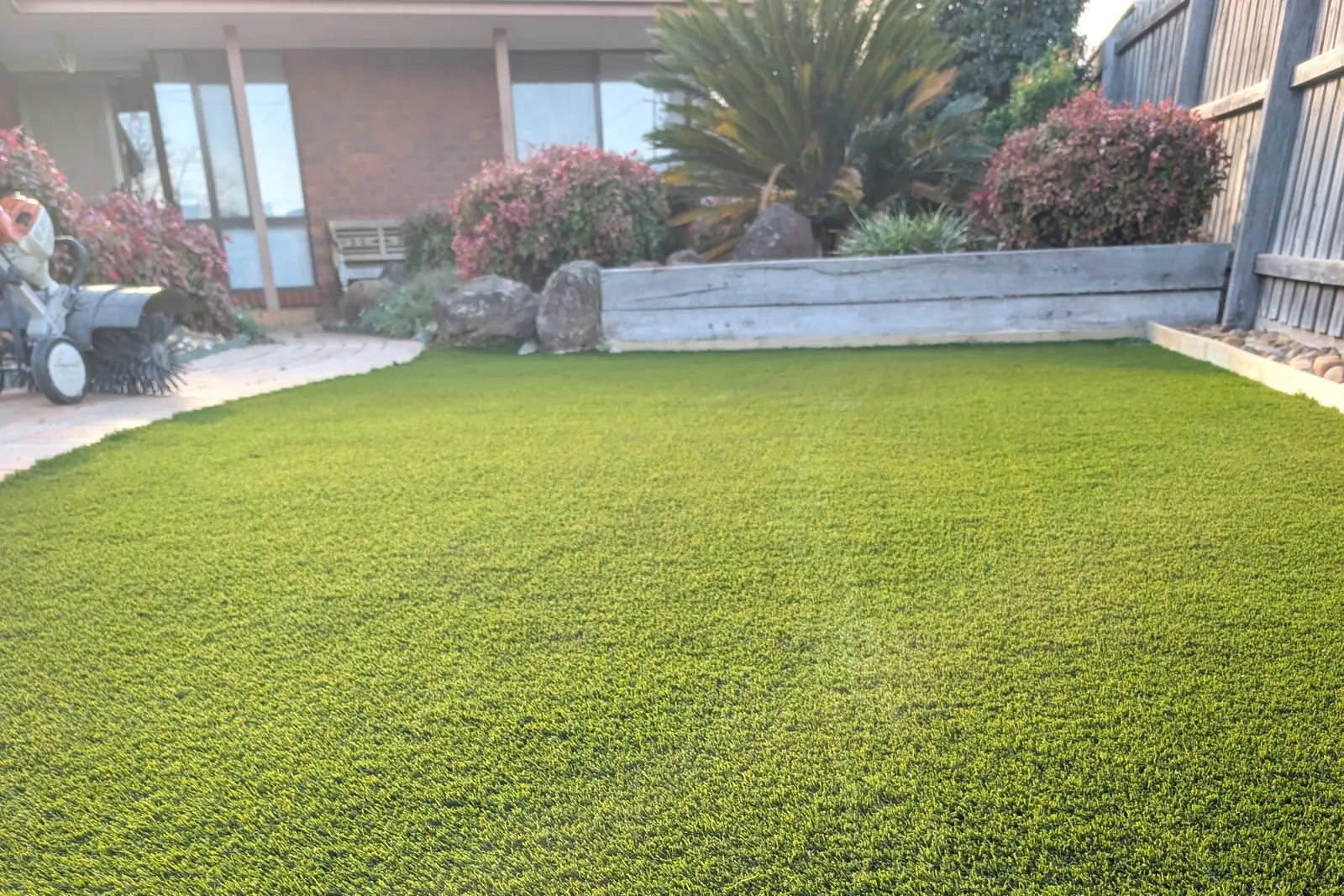
Modern synthetic products can look convincing, particularly when the pile, colour blend and installation suit the space. The quality of the product matters, but the finished result also depends on joins, edge treatment, levels and the prepared base beneath it.
If the lawn sits directly beside a main entertaining area, inspect samples in daylight and from the angles you will normally see from the house. A product that looks right in isolation may appear different next to paving, decking or existing plants.
Heat and sun exposure
Natural turf generally stays more comfortable on hot days when it is healthy and adequately watered. Synthetic turf can become hot in direct summer sun, particularly in exposed areas with little shade.
That does not rule synthetic turf out, but it should influence where it is used. Shade structures, surrounding planting and the way the space will be used all matter. A decorative side strip and a children’s play area have very different comfort requirements.
Watering and maintenance
Natural turf needs regular mowing and seasonal care. Depending on the turf type and site, that can also include watering, feeding, edging, weed control and repairing worn areas.
Synthetic turf removes mowing and routine watering, but owners should still expect to remove leaves, rinse pet areas, brush flattened fibres and keep surrounding garden growth under control. Good access makes this easier.
Before choosing, ask yourself a practical question: do you enjoy maintaining a living lawn, prefer to pay for ongoing care, or want to reduce the regular workload?
Drainage and preparation
Drainage is important for both options. Natural turf can struggle when water sits around the roots or when the soil beneath it is poorly prepared. Synthetic turf needs a stable, correctly graded base that allows water to move away rather than collect under or around the surface.
Simply covering a problem area does not fix the problem below it. Existing levels, soil, runoff from the house, nearby paving and garden irrigation should be considered before installation.
Pets and family use
For pets, natural turf is cool and familiar but can develop worn patches in high-traffic areas. Synthetic turf avoids muddy patches, although pet waste and odour management need to be planned properly. Product choice, drainage and a realistic cleaning routine matter.
For young children, consider surface temperature, softness, chemicals used in garden care, drainage and how much wear the area will receive. The best answer may even be a combination: a main natural lawn with synthetic turf in a narrow or difficult section.
Cost over time
Natural turf usually involves ongoing costs for water, mowing and care. Synthetic turf generally involves a higher level of initial construction and product cost, followed by lower routine maintenance.
Comparisons should include the full prepared installation, not just the turf material. Site access, excavation, removal of existing material, drainage, edging and area size can all change the project.
A simple decision checklist
Natural turf may suit you if:
- you want the feel and cooling effect of a living lawn;
- the area receives suitable light;
- you are comfortable with regular care; and
- the lawn forms a major part of the garden experience.
Synthetic turf may suit you if:
- you want a consistently neat surface with less routine work;
- the space is small, awkward or receives heavy use;
- muddy or worn patches are an ongoing problem; and
- you understand the heat and cleaning considerations.
Get the site assessed before deciding
Samples and online comparisons help, but levels, access, drainage and how the property is used determine the better solution. Sebastian can inspect the area, explain the preparation required and compare natural turf with synthetic turf for your particular yard.
If you are still weighing up both options, request a free quote and select “Help me choose”. A rough area, a few photographs and how you use the space are enough to start the conversation.
Related reading
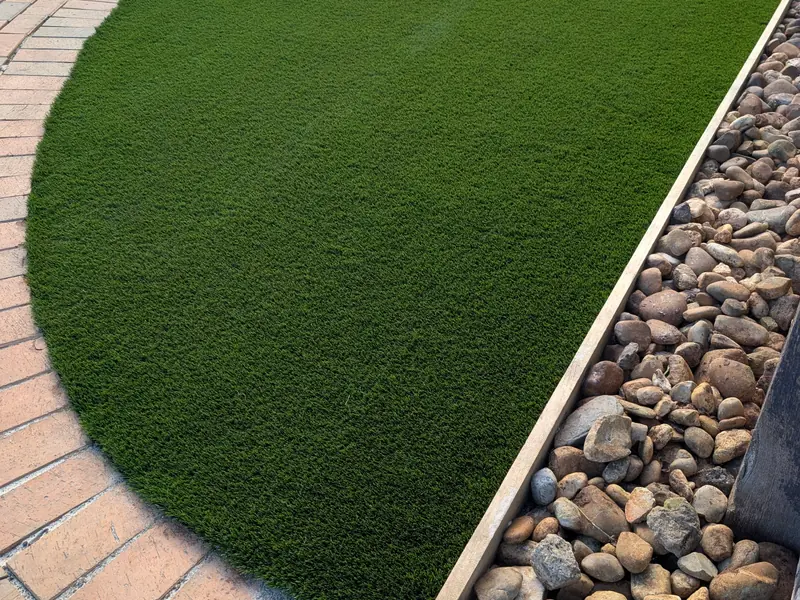
Turf Repair or Full Lawn Replacement: How to Decide
A few bare patches do not always justify replacing an entire lawn. Equally, repeatedly patching a lawn with poor drainage, unsuitable soil or widespread weed problems can spend money without changing the result.
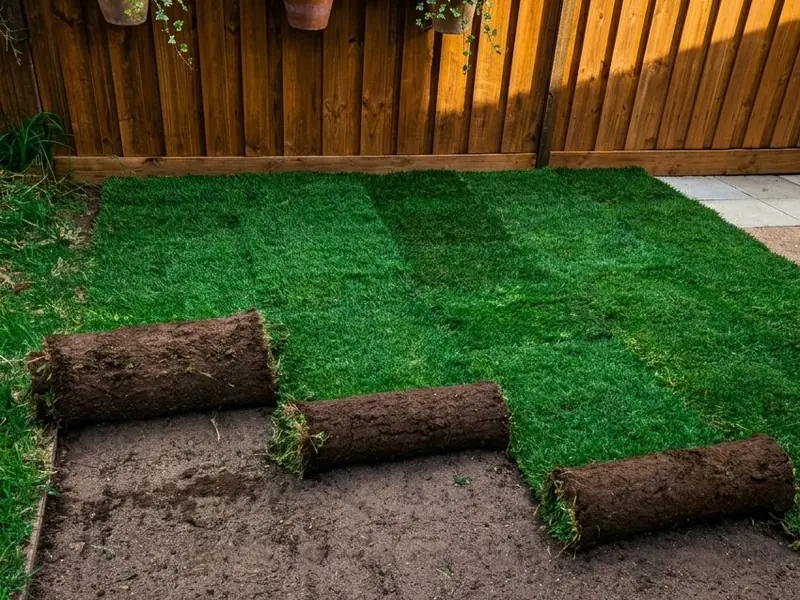
What Is the Best Time of Year to Lay Turf in Melbourne?
For most Melbourne homes the best windows are spring, from roughly September to November, and early autumn, in March and April. The soil is warm enough for roots to grow, the worst heat is out of the way and rain does some of the watering for you. Turf roots grow best when the soil sits between about 14 and 25 degrees, which is why those two windows keep coming up.
Why New Turf Fails: Soil, Drainage, Installation and Aftercare
New turf creates an immediate transformation, but the green surface is only the visible layer. Whether it becomes a lasting lawn depends on what happened before the first roll went down and on the first four to six weeks afterwards, while the roots establish.