
Why New Turf Fails: Soil, Drainage, Installation and Aftercare
New turf creates an immediate transformation, but the green surface is only the visible layer. Whether it becomes a lasting lawn depends on what happened before the first roll went down and on the first four to six weeks afterwards, while the roots establish.
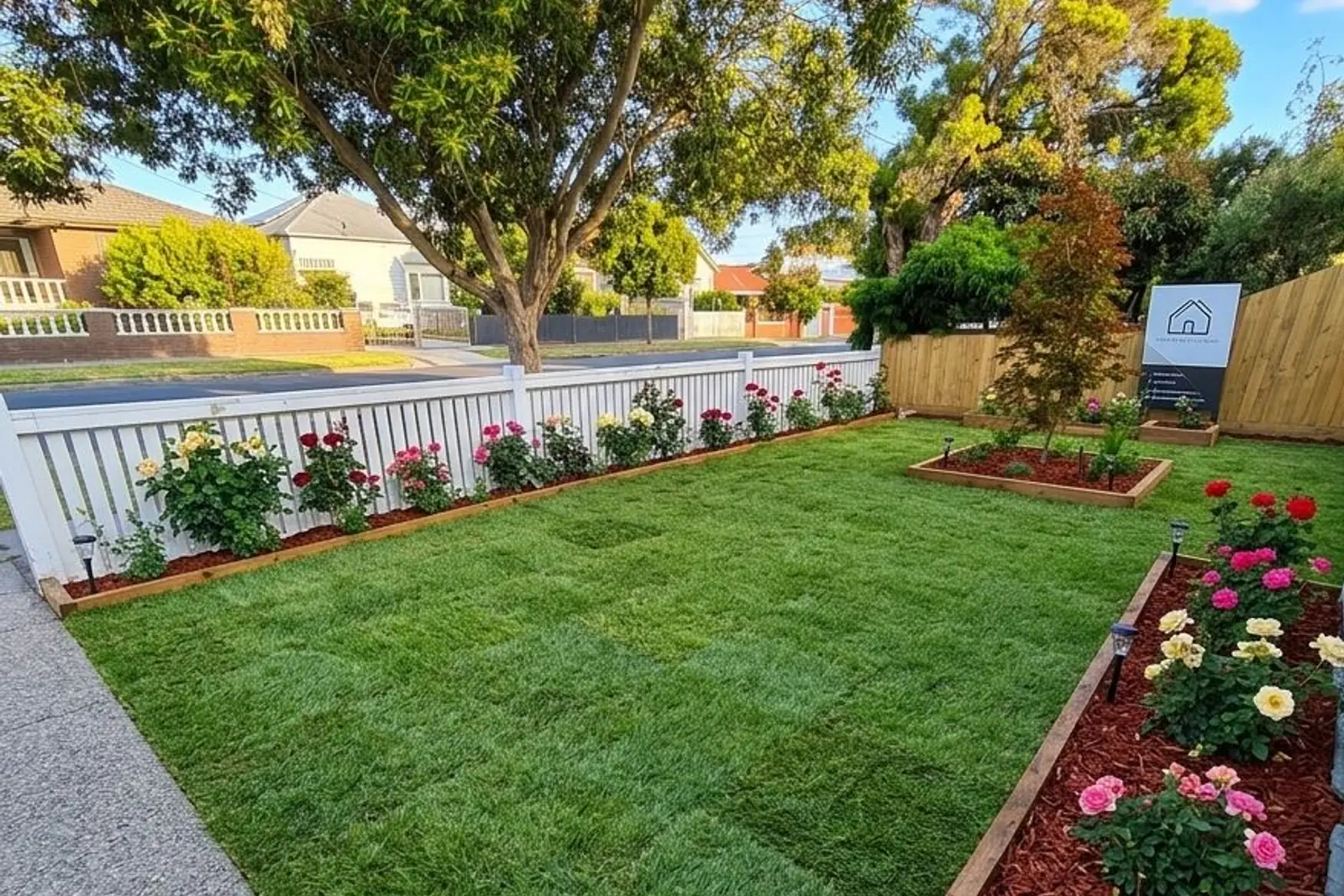
New turf creates an immediate transformation, but the green surface is only the visible layer. Whether it becomes a lasting lawn depends on what happened before the first roll went down and on the first four to six weeks afterwards, while the roots establish.
When a new lawn struggles, the cause is rarely that it simply “did not take”. Poor soil, unsuitable levels, trapped water, delayed laying, inconsistent watering, shade or early traffic are the usual contributors, and more than one is often involved.
What the symptoms usually point to
Start with what you can see, then check the likely cause before changing anything.
| What you see | Likely cause | What to check |
|---|---|---|
| Brown or straw-coloured lines along the joins | Edges drying out, or gaps between rolls | Lift a corner: is the soil underneath dry? Are the joins tight? |
| Yellowing across the lawn in the first fortnight | Not enough water, or rolls left stacked too long before laying | Moisture under the turf, and how long the pallet sat before laying |
| Soft, spongy patches, algae or a sour smell | Water with nowhere to go: low spots, runoff or heavy clay | Where water sits after rain; nearby downpipes and paving falls |
| Turf still lifts easily after several weeks | Roots not knitting into a compacted or poor base, or shallow watering | How firm and how deep the prepared soil is under the turf |
| Thin growth in one area only | Shade, tree roots or a variety that does not suit the light | How many hours of direct sun that area gets |
| Dry patches beside walls, paths and fences | Reflected heat and gaps in sprinkler coverage | Whether the edges are actually getting water |
| Ruts, scalped patches or shifted rolls | Mowing or foot traffic before the turf had rooted | Whether it passed the tug test before the first cut |
The ground was not prepared properly
Laying turf over compacted, uneven or unsuitable ground limits root development. Existing weeds, rubble and poor-quality fill should not be hidden beneath the new lawn. Much of Melbourne's west and north sits on heavy clay that compacts easily and drains slowly, so the growing layer on top matters.
Preparation may include removing the old surface, correcting levels, improving the soil and creating an even, firm base. The exact method depends on the site and the turf selected; our turf preparation, levelling and drainage page explains what that work involves.
The surface should also relate correctly to paths, edging and drainage points. Low areas hold water; high or thin areas dry out quickly.
Drainage problems were covered instead of solved
A persistently wet lawn may be receiving runoff from paving, a roof outlet, neighbouring ground or irrigation. If water has nowhere to go, new turf will not fix the underlying problem.
Signs include water sitting after rain, soft ground, algae, a sour smell, or sections that stay wet while the rest of the yard dries. Levels and water movement need to be resolved as part of the installation, not after the lawn starts to fail.
Turf sat too long before being laid
Rolled turf is living material. Heat builds inside stacked rolls, and exposed edges dry out. Delivery and installation should be coordinated so the turf is laid the day it arrives rather than left on the pallet.
Good preparation before delivery prevents delays: the ground ready, access clear, labour booked and water on hand for the moment the last roll goes down.
Gaps and poor contact affected establishment
Turf needs close contact with the prepared soil to root. Uneven ground, overlapping edges or open gaps lead to drying and patchy rooting.
Rolls should be butted tightly with the joins staggered, then rolled or firmed and watered straight away. Curves, edges and obstacles need careful cutting; small loose offcuts dry out fast and are often the first pieces to die.
Watering was inconsistent
For roughly the first three weeks, the soil beneath new turf should stay consistently moist. The surface can look fine while the soil underneath is dry, so lift a corner and check rather than relying on a timer. After that, water less often but for longer, so the roots follow the moisture down.
Too much water is also a failure. Soil that stays saturated starves roots of air and encourages disease, especially in shade or on clay. Strips beside walls, fences and paths usually dry first, and irrigation coverage should be checked, not assumed. Victoria's permanent water saving rules also apply to new lawns; our guide to the best time to lay turf in Melbourne covers the watering hours and the new-lawn exemptions some water corporations offer.
The lawn was used too soon
Foot traffic, pets, furniture and children's play can shift new turf and compact soft ground before the roots take hold. Keep use to a minimum for about the first six weeks, and longer in cool weather.
If a route across the lawn is used every day, plan temporary access, such as a board laid over the turf, so people do not repeatedly cross the same new section.
Shade or turf selection was not considered
Different parts of a yard get different amounts of sun, wear and water. A turf that performs well in an open front yard may struggle in a shaded side area. Turf growers generally treat about six hours of direct sun a day as full sun; less than that narrows the choice of variety.
Observe the site across the day and through the seasons. Buildings, fences and mature trees create long shadows in winter, and tree roots compete for moisture and nutrients.
The season worked against it
Warm-season grasses such as buffalo, couch and kikuyu grow very slowly through a Melbourne winter, so turf laid then can sit for weeks without rooting. Summer laying can succeed, but only with reliable watering from day one. Spring and early autumn give new turf the easiest start.
Mowing started at the wrong time
Mow only once the turf passes the tug test: gently lift a corner, and if it resists, the roots have taken. Use a sharp blade on a high setting and never remove more than a third of the leaf in one cut. Mowing too early can drag rolls out of place or scalp the surface.
Aftercare should then move into a sustainable routine rather than stopping once the lawn looks established.
Repair or replacement?
Isolated damage may suit turf repair and patching. Widespread failure caused by levels, drainage or poor preparation usually needs that cause corrected before more turf goes down. Our article on turf repair versus full lawn replacement sets out how to decide.
Either way, the important step is diagnosing the cause. Replacing the surface without fixing the reason it failed is likely to repeat the result.
For a new lawn, Sebastian can assess the preparation, drainage and installation sequence through Bastiano Landscaping's natural turf service. If your lawn is already struggling, send a few photos and a short description of what you are seeing.
Related reading
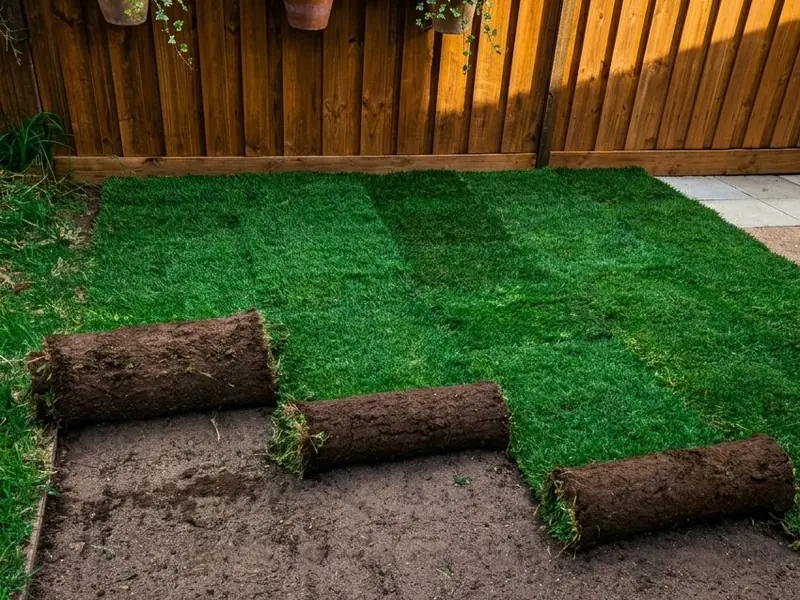
What Is the Best Time of Year to Lay Turf in Melbourne?
For most Melbourne homes the best windows are spring, from roughly September to November, and early autumn, in March and April. The soil is warm enough for roots to grow, the worst heat is out of the way and rain does some of the watering for you. Turf roots grow best when the soil sits between about 14 and 25 degrees, which is why those two windows keep coming up.
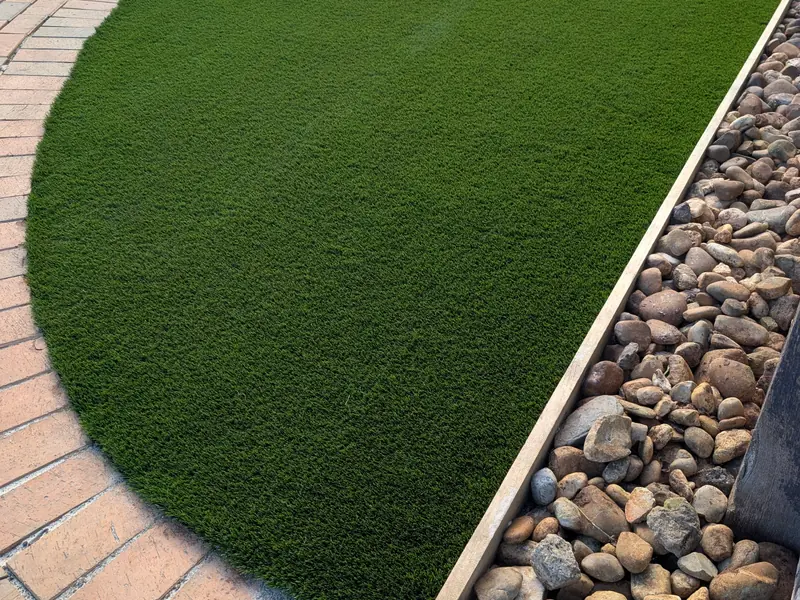
Turf Repair or Full Lawn Replacement: How to Decide
A few bare patches do not always justify replacing an entire lawn. Equally, repeatedly patching a lawn with poor drainage, unsuitable soil or widespread weed problems can spend money without changing the result.
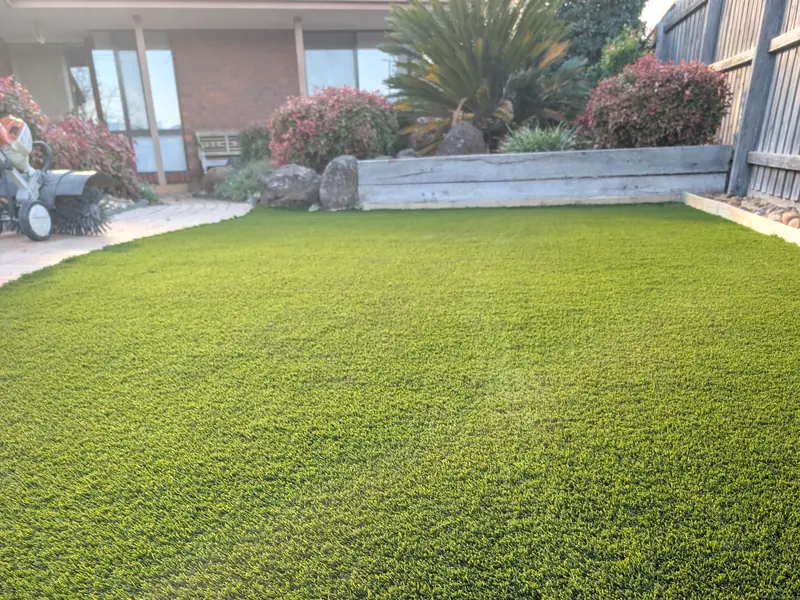
Natural vs Synthetic Turf in Melbourne: Which Is Right for Your Property?
The best lawn is not simply the greenest option in a photograph. It is the one that suits how you use the space, how much maintenance you want to take on, the amount of sun the yard receives and how the site drains.