
How to Choose Plants and Mulch for a Melbourne Garden
Plants and mulch usually get chosen at the end of a landscaping job, after the walls, paving and turf are in. They deserve more thought than that. Planting decides how much privacy and shade a garden gives, how it looks in winter, and how much work it asks of you every year. Mulch decides whether the beds hold water through a Melbourne summer or bake.
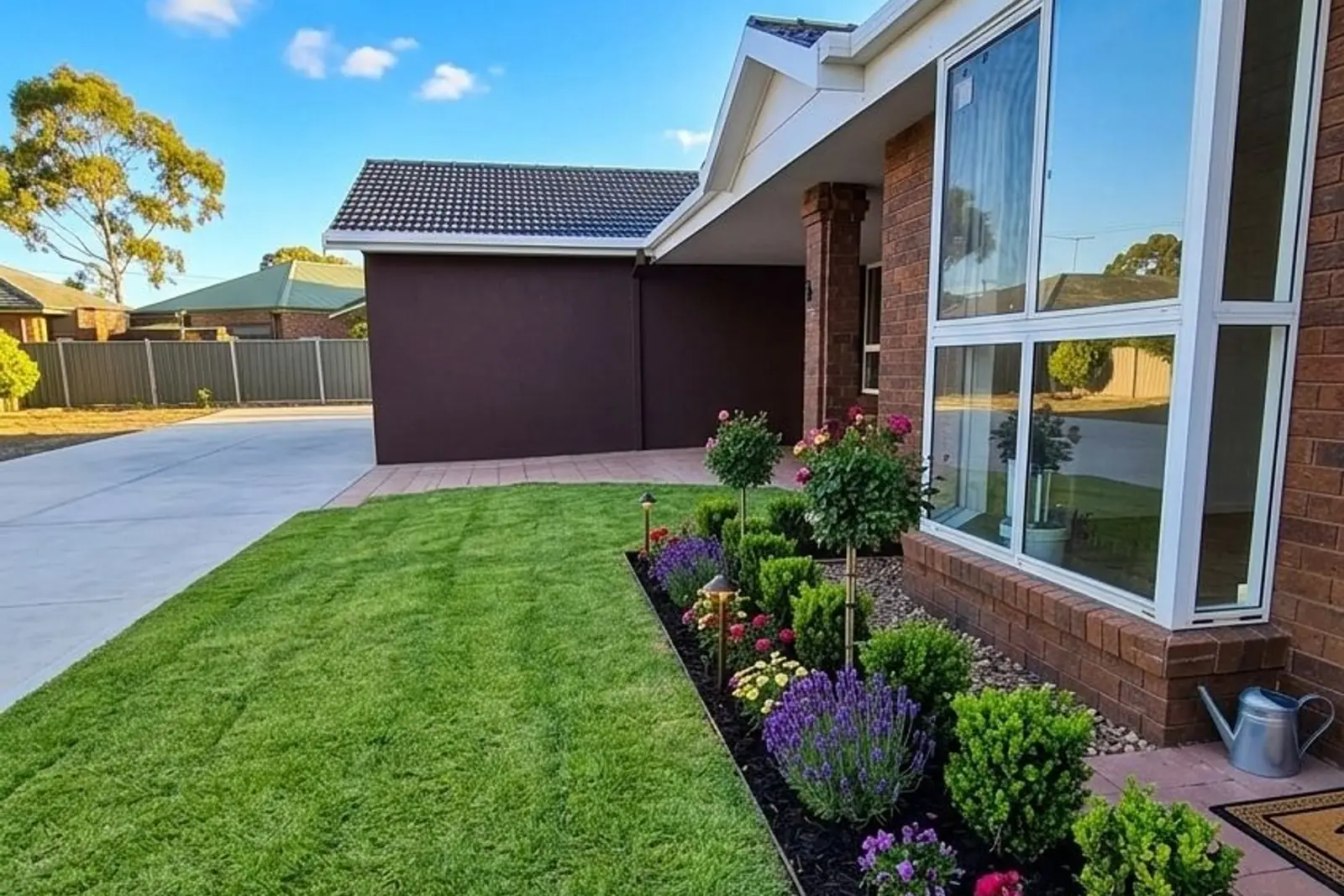
Plants and mulch usually get chosen at the end of a landscaping job, after the walls, paving and turf are in. They deserve more thought than that. Planting decides how much privacy and shade a garden gives, how it looks in winter, and how much work it asks of you every year. Mulch decides whether the beds hold water through a Melbourne summer or bake.
This is the approach we take on our own jobs. None of it needs a horticulture degree, but it does mean looking at the actual site before picking anything.
Start with the conditions, not the plant list
Walk the garden at different times of day and note where the sun falls. In Melbourne the hard positions are west-facing beds, which get the full afternoon sun and the hot north winds in summer, and anything beside a pale wall or paving that reflects heat back onto the plants. South-facing beds and the ground under established trees stay shaded and damp for much of winter.
Dig a hole or two as well. Much of Melbourne's west and north sits on heavy clay that holds water in winter and sets hard in summer. A plant sold as "full sun" can still fail in a bed that stays waterlogged for weeks. Where the clay is bad, the fix is in the preparation: gypsum to break it up, compost worked through, and in some beds a raised edge so the roots sit above the wet layer.
Take those notes into the design. It is far cheaper to choose plants that suit the spot than to replace plants that were chosen for how they looked at the nursery.
Plan for the mature size
Nursery plants are young. Check the mature height and width on the label, then give each plant that much room from paths, windows, fences, the water meter and your neighbour's side of the boundary.
Overplanting looks full on day one and crowded within two years. Crowded plants compete for water, grow leggy and need constant cutting back. Spaced properly, a bed looks sparse for the first season and then fills in.
A simple structure works on most Melbourne blocks: taller plants at the back for screening, a medium layer for bulk, and groundcovers or low plants along the edge. Repeating a small number of plants, rather than one of everything, is what makes a garden look designed.
Be honest about the upkeep
A clipped hedge and standard roses look sharp, but they need trimming several times a year. A looser mix of grasses and shrubs needs less, though it still needs weeding, an occasional cut-back and the odd replacement.
For low-upkeep beds in Melbourne, we lean on plants that handle dry summers once established: lomandra and dianella for grassy texture, westringia and correa for shape, grevilleas and kangaroo paw for colour, and lavender or salvias where the bed is sunny and well drained. Where screening matters, lilly pilly and photinia hedges are the usual choices. None of these are exotic; they are common because they cope.
Low maintenance does not mean no maintenance. It means the plants, spacing and access suit how much time you actually have, or an agreed garden-care plan if you would rather not do it yourself.
Decide what the mulch is for
Mulch holds moisture in the soil, keeps the roots cooler, suppresses most weed seed and gives a bed a finished look. The materials behave differently:
- Organic mulch (pine bark, hardwood chip, mulched garden prunings) breaks down over time and feeds the soil. It needs topping up, usually once a year.
- Pebbles and decorative stone do not break down, but they catch leaf litter, get hot in full sun and need a weed-control base underneath. They suit small feature areas, pathways and beds beside paving better than large planted beds.
A coarse mulch lets water through and stays put in wind better than a fine one. Fine mulches can form a crust that sheds water, which is the opposite of what you want.
Pick the colour to suit the house and paving. Very dark or very red mulch pulls the eye away from the plants, which can be a good or bad thing depending on the bed.
Lay it properly
Spread organic mulch 50 to 75 mm deep. Thinner than that and weeds get through; thicker and water struggles to reach the soil. Keep it clear of plant stems and tree trunks, otherwise it holds moisture against the bark and causes rot. Keep it off weep holes and below the level of any damp course on the house, and do not let it build up against timber fences or decking.
Weed the bed first. Mulch slows new weeds from germinating, but it does nothing about couch or kikuyu runners already in the soil. Those need to come out before the mulch goes down.
Water the plants, not the paths
Drip line under the mulch is the most efficient way to water a garden bed in Melbourne. It puts the water at the roots, loses little to evaporation, and nothing lands on the paving. Under Victoria's permanent water saving rules, watering systems can run between 6pm and 10am, so set the controller for the early morning.
New plants need closer attention for the first few months, even varieties that will be tough once established. After the mulch goes down, check that the emitters have not been buried or kicked out of position, and look again as the plants grow and the coverage changes.
Build in year-round structure
Flowers come and go. What holds a garden together in July is foliage colour, evergreen shape and the lines of the beds themselves. Choose two or three points of interest, such as a feature plant at the entry, a repeated border plant and a solid background hedge, and let the rest support them.
Think about the beds before the paving goes in
Planting has to work with everything around it. It softens retaining walls, frames paths and steps, and eases the change from lawn to paving. It also affects sightlines, garden lighting and how safely people move through the property at night.
Set the bed widths before the paving and turf are finalised. A bed under 600 mm wide limits what will grow in it and leaves more bare fence showing than people expect. On our front-garden planter project, the raised bed was sized first and the lawn and pebble border were cut to suit it, not the other way round.
Bastiano Landscaping supplies and plants garden beds and mulch as part of soft landscaping, or can plan the whole thing through a garden design. Send a few photos that show the house, the bed and where the sun falls, rather than close-ups, and we can advise on what will suit.
Related reading
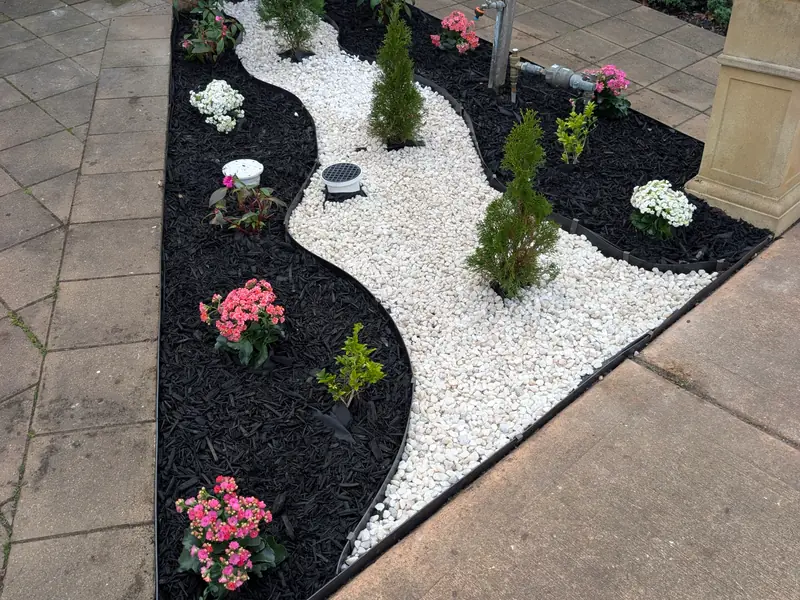
Low-Maintenance Landscaping Ideas for Melbourne Homes
Low maintenance does not mean covering the entire yard in one hard surface. It means designing the garden so routine work is predictable, easy to reach and in proportion to the time you actually want to spend outside.
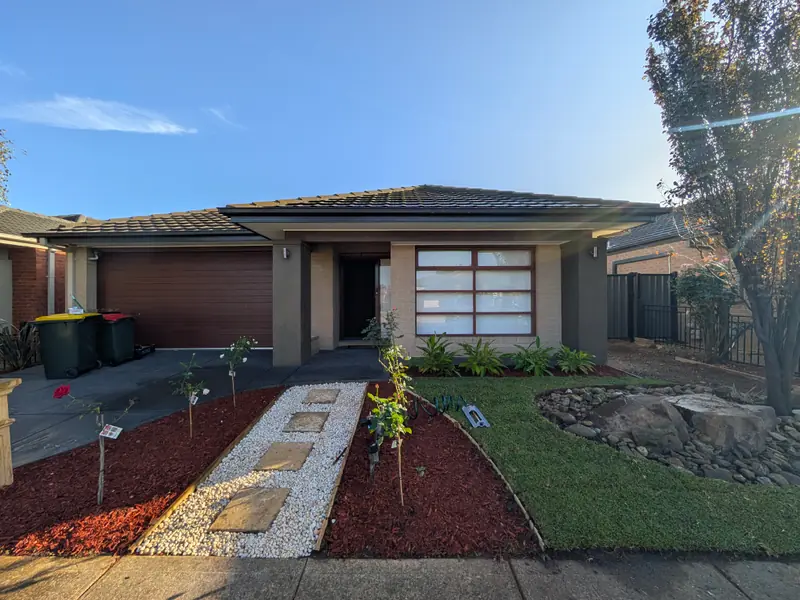
How to Plan a Complete Landscaping Project Without Wasting Your Budget
Planning a landscaping project comes down to five decisions made in the right order: work out how the space has to function, deal with water and levels before anything is built on top of them, choose a small palette of materials, put the money into the parts that cannot be redone, and sequence the work from the ground up so nothing finished gets wrecked by the next stage. Do that, and even a project built over two or three years will end up as one garden rather than a set of patches.
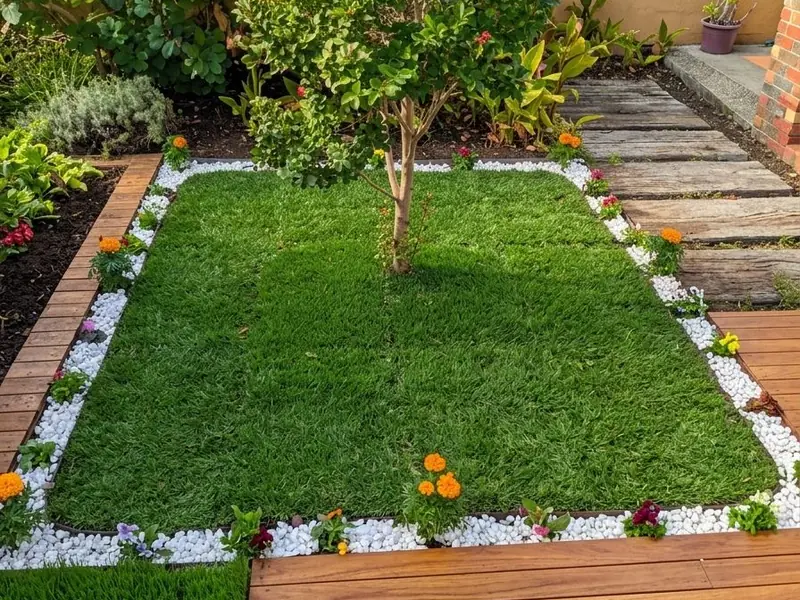
Small Backyard Landscaping Ideas That Make Better Use of Space
A small backyard does not need miniature versions of every feature found in a large garden. It works better when a few functions are chosen deliberately and the space between them is kept clear.