
Small Backyard Landscaping Ideas That Make Better Use of Space
A small backyard does not need miniature versions of every feature found in a large garden. It works better when a few functions are chosen deliberately and the space between them is kept clear.
A small backyard does not need miniature versions of every feature found in a large garden. It works better when a few functions are chosen deliberately and the space between them is kept clear.
The goal is not to make the yard look empty. It is to reduce visual clutter, make movement comfortable and make sure every surface earns its place.
Choose the main purpose first
Decide what the backyard should do most often. Is it mainly for dining, children, a dog, quiet garden space or simple low-maintenance access?
One area can serve more than one purpose, but giving everything equal priority usually produces cramped zones. A bench can provide seating and storage; a wide path can become part of the entertaining area; a raised bed can add planting and define a boundary.
Use one strong layout
Simple geometry often makes a compact space feel calmer. Align paving, lawn edges and garden beds with the house or a clear view line. Avoid leaving narrow strips that are difficult to plant, mow or clean.
Curves can work, but they should improve circulation or respond to the site rather than eat into usable area.
A small courtyard, done simply
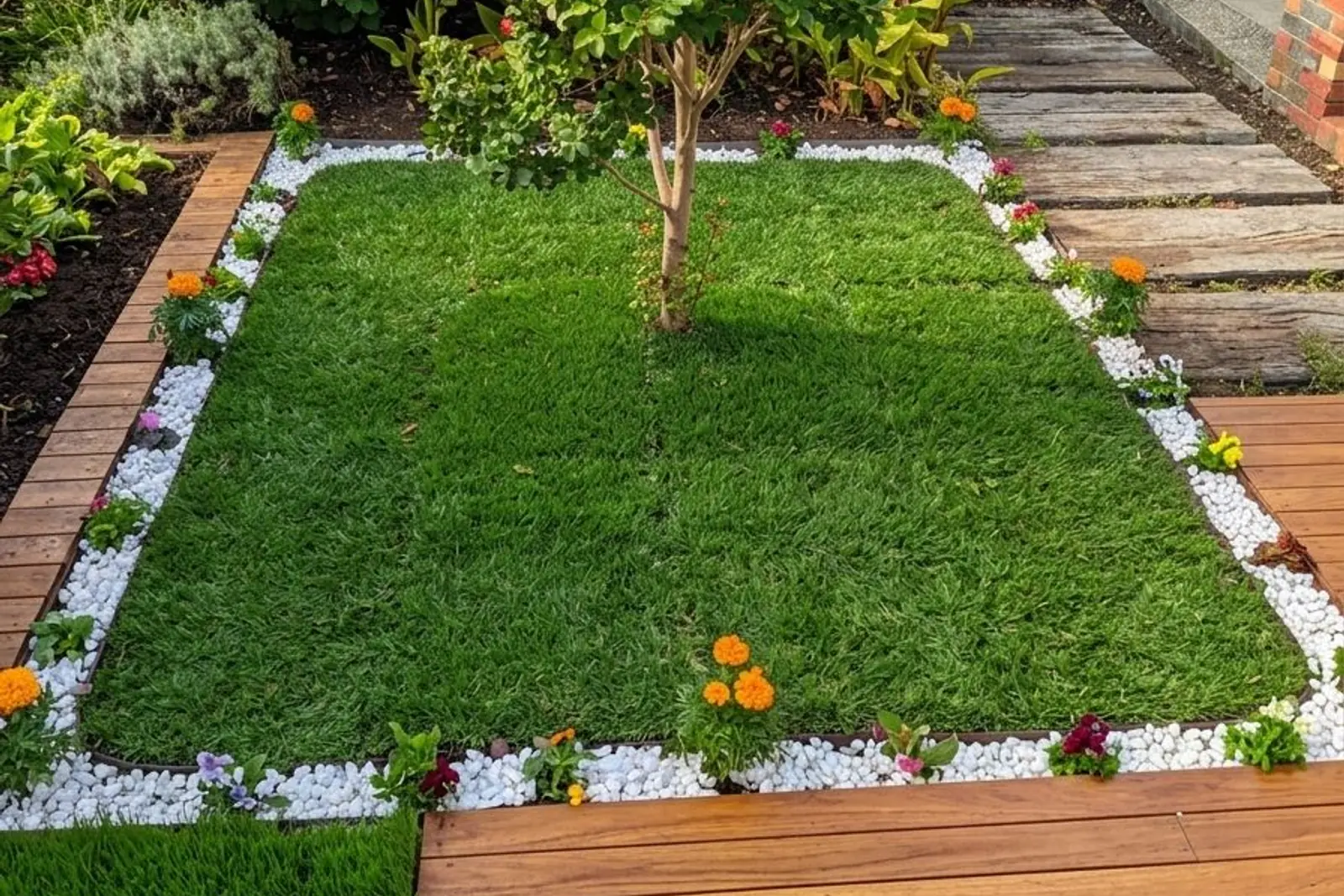
Our courtyard garden refresh, pictured at the top of this article, shows how far one clear idea can go. An overgrown, weedy bed around an established tree was cleared back to soil and levelled. Natural turf was then cut as a crisp square beneath the tree, a white-pebble strip and flowering plants were added to frame it, and the existing timber sleeper path was tidied and kept rather than replaced.
Nothing about it is elaborate. The courtyard works because the lawn has a simple, maintainable shape, the edges are defined and the path still leads where people walk.
Keep the material palette restrained
Two or three coordinated materials are usually enough. Repeating a paving colour or an edge detail helps the yard read as one space.
Large-format pavers can reduce visual noise, provided the cuts, falls and access suit the site. The smallest paver is not automatically the best choice for a small yard. If you are deciding between a continuous surface and a lighter path, our guide to pavers versus stepping stones compares the two, and our paving page covers how both are built.
Build in seating and storage
Freestanding furniture can overwhelm a compact area. A built-in bench along a boundary keeps the centre open and reduces the number of loose pieces.
Plan storage for cushions, garden tools, bins and children's things early. A good layout becomes cluttered quickly when everyday items have nowhere to go.
Decide whether you genuinely need lawn
A small lawn adds softness, play value and a cooler visual centre. It needs a shape that can be mowed easily and enough light to grow; turf growers generally treat about six hours of direct sun a day as full sun.
Natural turf suits owners who want a living lawn and accept mowing and care. Synthetic turf can work in compact, heavily used or shaded areas, with heat in full sun, drainage and cleaning considered. Our natural versus synthetic turf guide sets out the trade-offs. In some yards, planting and paving are more useful than a token strip of grass.
Use vertical space carefully
Climbing plants, screens and narrow upright planting can add privacy without taking over the floor. Check mature size, support requirements and access for pruning.
Do not use planting to hide vents, drainage or service points that need ongoing access.
Create depth with planting
Layering a limited selection of plants makes boundaries feel less flat. Place taller structure where it will not block light or movement, then repeat medium and lower planting in front of it.
Rather than collecting many single feature plants, repeat a few compatible varieties. This creates cohesion and makes maintenance more predictable. If keeping upkeep low matters as much as space, our low-maintenance landscaping ideas go into plants, mulch, paths and irrigation in more detail.
Treat lighting as part of circulation
Low-level lighting can define steps, paths and seating after dark. A small yard rarely needs every plant lit; highlight a few useful edges or features and avoid glare into the house or next door.
Plan electrical routes before paving and planting are finished.
Protect access and drainage
Compact sites are often hard to build because materials and equipment must pass through narrow side access. Measure gates, and note stairs, corners and surfaces that need protecting.
Drainage matters just as much. A high proportion of paving changes where rainwater goes, and in a small yard a low point may sit right beside the house. Paved areas should fall away from the building, and levels should be planned before finishes are chosen.
The best small yard feels easy to use
A well-designed compact garden gives people a clear place to sit, a comfortable route through the space and enough planting to feel inviting. It does not need every possible feature.
If you are planning more than one change at once, our guide to planning a complete landscaping project explains the order the work should happen in. Bastiano Landscaping can develop a tailored garden design or deliver the complete custom landscaping. Send the yard dimensions, a few photos of the access and the two things you most want from the space.
Related reading
How to Plan a Complete Landscaping Project Without Wasting Your Budget
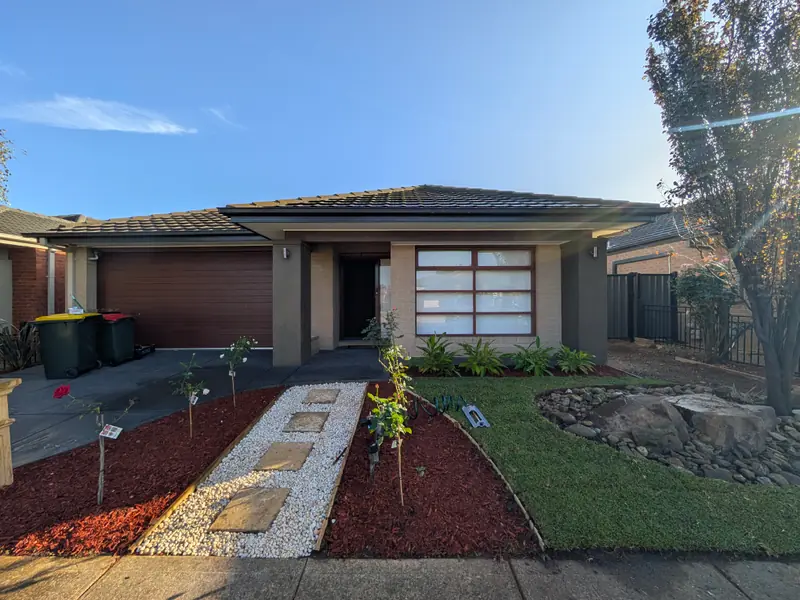
Planning a landscaping project comes down to five decisions made in the right order: work out how the space has to function, deal with water and levels before anything is built on top of them, choose a small palette of materials, put the money into the parts that cannot be redone, and sequence the work from the ground up so nothing finished gets wrecked by the next stage. Do that, and even a project built over two or three years will end up as one garden rather than a set of patches.
Pavers vs Stepping Stones: Which Is Better for Your Garden Path?
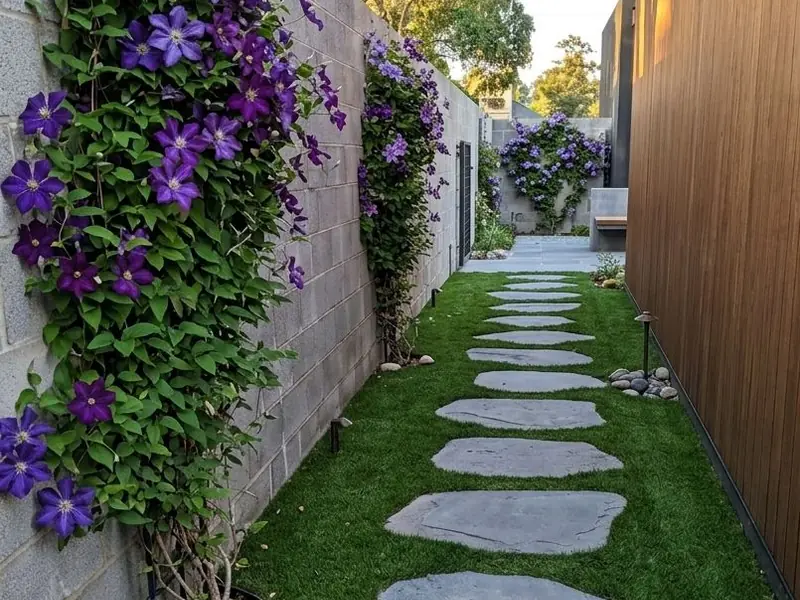
Pavers and stepping stones both give you a clear route through a garden, but they solve different problems. Continuous paving is the better choice where the path is used every day, in all weather, by people carrying things. Spaced stepping stones are the better choice where traffic is lighter and you want the path to sit gently in lawn, gravel or planting rather than cut a hard line through it.
Low-Maintenance Landscaping Ideas for Melbourne Homes
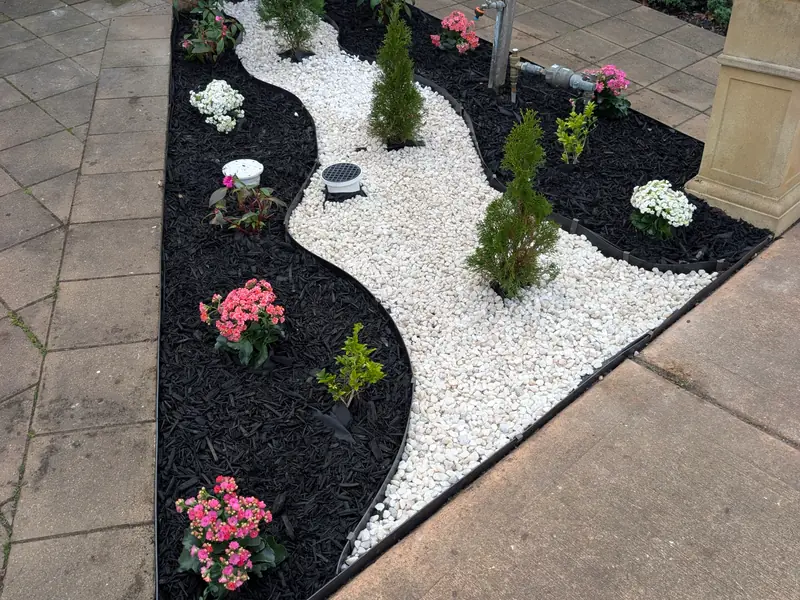
Low maintenance does not mean covering the entire yard in one hard surface. It means designing the garden so routine work is predictable, easy to reach and in proportion to the time you actually want to spend outside.